Showing posts with label monarchs. Show all posts

Monday, March 10, 2014

Monarchs in Crisis! Act NOW!

This past Fall 2013, I was stunned to see the drop off of monarchs passing through Cape May on their migration to Mexico. The year before, they were abundant, as you can see in these photos from September 15 in my back yard on Ocean Avenue, as they fed on nectar from English ivy:


and on cool, foggy September 29, down by the beach on Ocean Avenue, as they prepared to cross the Delaware Bay:

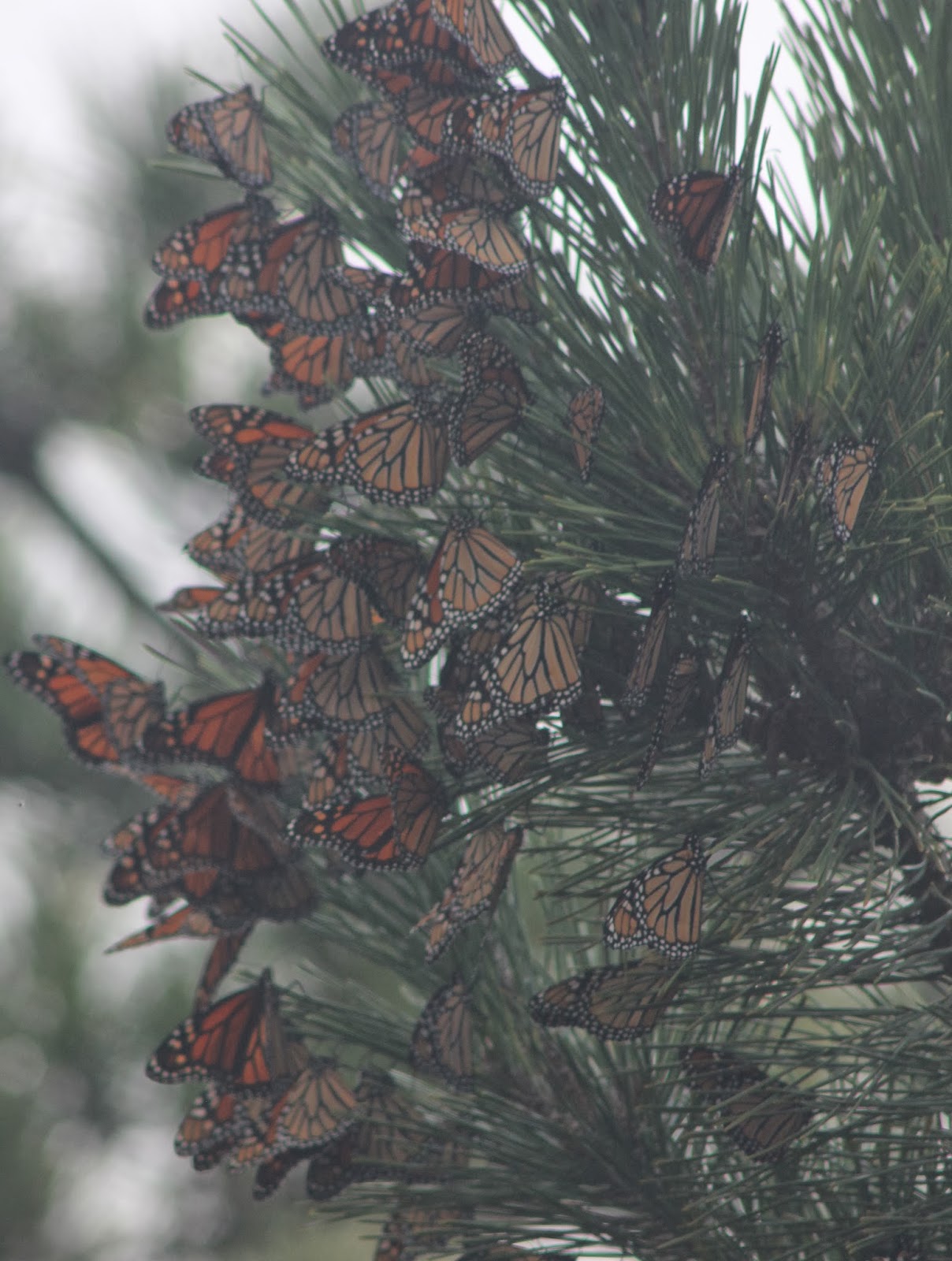

For more photos and story, please refer to blog entry from March 24, 2013, Fall Reflections: Monarch Migration Snapshot.

I don't even have a photo from this past fall of 2013, as I kept waiting and they never really came. Just one here and then a couple there would flutter by.

Their population has been in a steady decline for the last 2 decades and has reached a CRISIS situation with more than 90% of the population in decline.
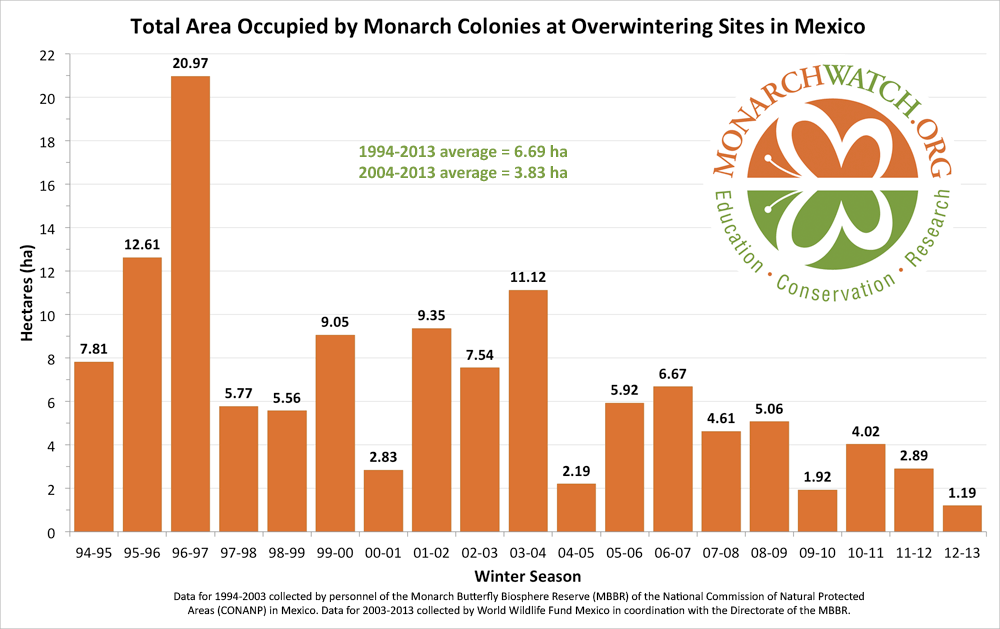


For a detailed report, please see Monarch Watch's Population Status report from January 29, 2014: http://monarchwatch.org/blog/2014/01/monarch-population-status-20/

and for further info, see: http://www.learner.org/jnorth/tm/monarch/population_mexico_graph.html.

This drastic decline in population can be attributed to the following factors:

1. Habitat loss along their migratory routes as well as in Mexico
2. Use of herbicides on large scale farms, killing their main larval host plant, native Milkweed
3. Use of pesticides
4. Severe drought in the west
5. Climate change

YOU CAN HELP!

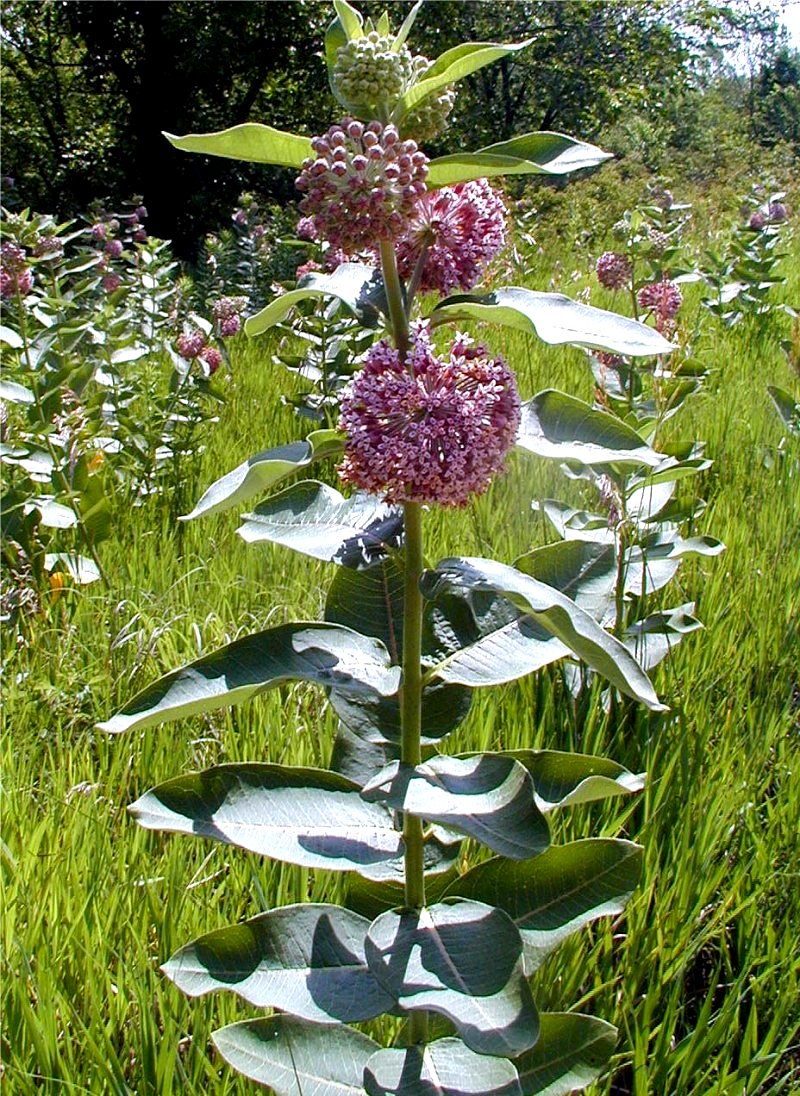
a. Plant milkweed. Seeds are available FREE at this site: https://www.livemonarch.com/free-milkweed-seeds.htm or go to your local nursery. The variety that grows best in the NE is Asclepias syriaca and looks like this:
b. Plant native plants and flowers for them to feed upon. See this site for suggestions: http://www.monarchwatch.org/garden/nectar.htm

c. Avoid pesticides and herbicides, using them only when necessary and be sure to follow the labeled instructions.

d. Buy sustainable, organic, and GMO free products

e. Spread the word

To inform yourself further, see Monarch Watch: http://www.monarchwatch.org/


Sunday, March 24, 2013

Fall Reflections: Monarch Migration Snapshot


On a gusty and sunny September 29th, 2012, the monarchs were feasting, some right out my window on the non-native english ivy, nourishing themselves with nectar to prepare for the long journey ahead.


Evening was drawing near and they congregated en masse in the evergreens next to the dunes at the end of Cape Avenue. The following morning had the promise of a good time to cross the wide Delaware Bay.


The day closed with a beautiful sunset.


The next morning was sunny and mild and off they soared, by the dozens, a continuous flow, up over the dunes, like miniature birds,


over the sands,


and on over the bay waters, off to Mexico. 

So an amazing journey, 
an animal so delicate and fragile can endure and fly so very far.